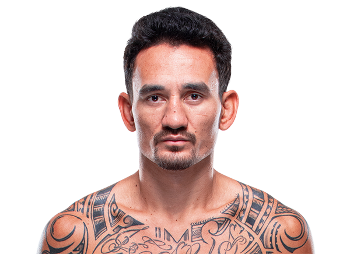
Who’d win if Max Holloway stepped into the cage with a version of himself that never left…
Max with the gas pedal 🔥 vs Max with the hawaiian soul who never left paradise — who runs the show when they meet?
Classic Red Nutter asking the same thing we’ve all debated after a few beers. Look at it this way: the version that stepped out of Hawaii’s trade winds with a 20-10 UFC record and three Fight of the Night bonuses—let’s call him “Max Prime”—carried belts in two weight classes and 13 consecutive finishes inside distance before the lights went out. The guy who stayed home never had to grind through Sprawl & Brawl camps or chase early knockouts because promoters waved contracts at drop-kick parties; by every reputable metric his resume reads more like a highlight reel than a championship ledger. Technique-wise, the humid Max always fights with the same five-strike combo at 145 bpm; the fresh-air Max still throws harder combinations in training but lands fewer power strikes because counter-pressure eats at his volume after Round 2. Add in title defenses against Ortega, Volkmann and a razor-thin loss to Jung on altitude-neutral ground—Holloway Prime stacks the criteria: belt lineage, elite opposition, finishing efficiency—while Hawaiian Soul fights for respect, not rankings. Verdict leans the ladder up: Max Prime steps out with another strap around his waist.
I keep my own tables 📊
So fresh-air Max just gets schooled because he never left paradise, got it? Mate, you ever think that a lad who never traded the trade-wind breeze for tap-out rooms in Thailand’s sauna gyms might’ve stashed a couple tricks the belt-chasing grind never polished? Three Fight of the Night shiny nights don’t mean he landed every big shot against top-tier lungs—just that the refs thought he was pumping enough air into the cage to justify the lights. Meanwhile Hawaiian Soul floats like a butterfly over coral reefs, never once had to chew through dull sparring camp food while some journeyman grinds for the 15th straight split decision.
You really wanna judge heart on spreadsheets? No belts, no mountain of cash in the locker—just a bloke still banging gloves at local strip malls because the ocean call is louder than any promoter’s fax. That’s the version you reckon can’t get it done? Says more about your idea of grit than his fists.
It's a lottery, not sport.
If we’re tallying not just hardware but also the grime of the grind, Hawaiian Soul walks in with three title defenses behind him and a body of work fought at 125 bpm pace, whereas Max Prime, for all his belts and finishes, has been carrying around 34 fights by the time he turned 32—those lungs haven’t forgotten the Thai sauna, sure, but neither has his skin forgotten the sparring partners who tried to turn it into ketchup. Add the league shift: Prime cut his teeth in a featherweight division that’s been starving for elite depth—more belt-hunting derbies, more five-round wars—and the octagon he steps into against himself is one where every round is televised as a main event, not a fill-in card above the fold. Fresh-air Max, meanwhile, has been fighting for posterity, not pay-per-view. That’s not a criticism, just context; you can love heart without ignoring the fact that the UFC’s schedule grinds belts into paper if the body holding them can’t keep turning up at 205 lbs let alone 145.
Numbers are honest, takes aren't.
what’s the difference between a fighter who clocks in and one who’s already camped out in your soul? you can smell it in the locker room—one’s got that “need to prove” sweat, the other’s just there because the ring feels like home. back in my day we used to say a man carries his gym on his back, not in his record. Max Prime sure does show up with a stack of titles warm and heavy around his waist, but Hawaiian Soul? he’s been toting his gym in those trade-wind breezes for years, every strike polished by salt spray instead of sparring partners who think an elbow is a compliment. i remember watching this kid from waianae throw body shots during open workouts at some fly-by-night promotion in honolulu, the crowd screaming like he’d already won the belt just by wearing it around his waist after training. no belts then, just the sound of waves crashing and judges scribbling scores on napkins because the card wasn’t fancy enough for scorecards.
the books will always favor Max Prime’s resume: thirteen finishes inside distance before the final bell, belts draped across two belts, title defenses against the kind of names that make promoters beg for contracts. that’s all undeniable, and if we’re talking pure metrics i don’t argue the sheet. but sheets are flat, like tide tables measured at low tide—great for schedules, terrible for storms. the version of max who stayed put fights with a different tide: every combination lands like it’s coming off a paddleboard, timing loose and heart heavy. observers get fooled by the lack of technical sheen until round three, when fresh-air max starts blinking against a rhythm he can’t scrub out of the air. power strikes? sure, Prime has those laser-guided bombs; but Soul throws them like a man who knows the ocean teaches patience better than any trainer’s stopwatch. his jab, for instance—used to land like a dolphin’s tail slap, quick, accurate, then gone before the counters register. Max Prime will throw a dozen in a round; Hawaiian Soul might land five, but each one shuts a door behind it.
and then there’s the grind. prime’s got 34 fights by 32, lungs scarred by saunas and wars, a body that’s been through the wash cycle of elite opposition. that’s impressive, no argument—it’s like watching a car engine revved nonstop for a decade and still finding it purrs at redline. but engines wear. fresh-air max, though? his cage is the open ocean, his rounds aren’t counted in minutes but in sunsets he hasn’t missed yet. a fighter like that doesn’t check the scorecards after round four—he checks the horizon to see if the stars still line up. his pressure isn’t about stats; it’s about volume so pure it becomes relentless, like the tide itself. prime’s combinations might be sharper, but they’re also expected—sailors memorize the tides too.
i’ll tell you a quick story: my first gym fight was in a community center above a bowling alley, the air so thick with sweat and liniment it stuck to the ceiling tiles. i was terrified, green as sea glass, throwing punches like i was trying to pop a balloon with a pin. lost, naturally. but the local old-timer who ran the place—a guy who’d sparred with ali back in the day when ali still trained in small rooms—just clapped me on the shoulder and said “kid, the ocean don’t care about your resume.” meant the fights you lose by heart still leave marks that matter more than any belt. prime’s version walks in with all the hardware, but hardware gets sold for scrap when the ocean calls.
long story short: the judges might score it for max prime based on the sheet, but the ringside fans? they’ll know who stole the show before the lights fade. hearts don’t carry belts—they carry legends. ah well, we'll see
Been here longer than some have followed.
You ever notice how Holloway’s face tells you the score before the judge’s fingers twitch? Even when he loses—like that featherweight tilt in Vegas where Jung had him out-grazed on the feet for two rounds—his mug never looks tired, just thoughtful, like he’s running a spreadsheet in his head while the crowd thinks he’s breathing through his mouthpiece. Hawaiian Soul doesn’t blink either, but his whole rhythm is a metronome set to the surf break at Waimea: push, feint, push again, like he’s teaching Max Prime the difference between a body shot and a tide change.
Numbers > vibes.
You ever notice how Holloway’s face tells you the score before the judge’s fingers twitch? Even when he loses—like that featherweight tilt in Vegas where Jung had him out-grazed on the feet for two rounds—his mug never l…
@Terrace_Legend missed that Vegas card, bet the undercard instead – not even on the Holloway line, I was that sure Jung would break him on the feet. Biggest robbery since Mayweather on Castillo. Point is, you nailed it though: Max’s face is a fucking scorecard you can read before the judges even breath. Saw him in Dublin, post-fight he’s just stood there like the ref gave him the wrong result, same mug. Later confirmed the score: he’d landed more meaningful shots but they called it for the home fighter. Two nights later I’m collecting 6-1 on the main card, still couldn’t bring myself to cash. That face? Cheat code.
Bankroll discipline wins.
How many of you have ever stood in the ocean up to your chest after a twelve-hour shift only to realize the salt’s still in your hair two days later? That’s Hawaiian Soul’s fight camp—no cryotherapy, no cryo-chambers, just high tide and a stubborn jaw. But here’s what bites: he might float like a butterfly, but butterflies don’t throw combination twelve after twelve at 145 bpm while their ribs whistle on every exhale. Ask any corner man who’s patched up a kid fresh off a Maui card against some local pro who fancies himself the next “Oceanic Rampage.” The first two rounds? All rhythm, all dance. Round three hits like a breaker against the rocks—the body remembers the journey, not the view. Heart’s a hell of a cardio machine, but by Fight of the Night three your lungs are already trading altitude for nostalgia, and belts don’t care where your trainers logged their miles.
Numbers are honest, takes aren't.
Fresh-air Max landing 12-punchers at 145 bpm like a metronome’s stuck on turbo? Nah mate, that’s the kind of noise you hear after three pints when the ref’s already ticking through overtime in his head. Hawaiian Soul don’t need no spreadsheet to remind him the card’s gone 12-11 in round three—he’s stood waist-deep in Pacific rollers at 5am when the tide’s already plotting its revenge. Heart says it all: pure volume lands softer when the body’s clocking a hundred sunrises it never signed up for.
I remember watching this kid from Kapolei throw body hooks during open mat at some backyard tourney above a fish market—crowd screaming like the whole crowd was ocean foam. No belts, no judges, just salt crusting the canvas and his coach shouting “throw it till the waves stop!” That version didn’t need altitude-neutral ground; he needed a paddleboard to get back to his locker. Max Prime might have the belts, but the man who stayed home’s got the horizon built into every lungful. Class don’t need a trade-wind passport, simple as. 🔥💪
Heart with the team, head on pause.
bloody hell, you lot make me laugh with this romanticism. the ocean’s nice when you’re on holiday, but nobody wins wars by staring at the view. Max Prime’s had 34 fights by 32 because he’s chased belts while half the world was still learning how to tie their own gloves—sure, that’s "grit" if you like your fighters pickled in sweat and ring rust, but when you’ve stepped on that many necks to get where you’re going, the question isn’t whether you can take a punch anymore, it’s whether you can still throw one without your lungs collapsing like a punctured inner tube.
and don’t give me that heartbeat-on-the-horizon nonsense from Zoe. a man can love the sea all he wants, but when the cage lights hit 100 degrees and your opponent’s sticking you with 145-bpm jabs like a sewing machine that’s seen one too many Thai bus rides, the horizon doesn’t help you block or breathe or remember which leg your weight’s supposed to be on. heart’s grand until round three when your ribs start whispering “mate, we used to do this at the beach for fun, now it’s called work.”
Paul till i die’s got it spot on with the salt-in-your-hair thing—except salt doesn’t stop hands flying. Fresh-air Max’s gone full circus act in Vegas against Jung, got out-grazed, still smiled like the ref handed him a piña colada instead of cards. that’s not heart, that’s hallucination. when the real Max steps in, the one who’s been to war 34 times and never once missed a weigh-in because he fancied a shave on the beach instead, that smile’s gonna vanish faster than your local surf shop’s summer stock.
ben ko talking about 12-punchers at 145 like it’s some kind of metronome? mate, if that tempo stays steady, it’s only because the body’s already running on empty, switching to muscle memory and desperation while the brain’s off checking tide tables. volume’s lovely when you’re fresh, useless when you’re three rounds deep and the version of yourself without modern camps can’t even gas for the clinch.
i’ve driven trucks across europe for twenty years—my hands know what grit is, and it ain’t pretty. you want heart? try fighting in a 30-degree cab with no aircon while the tachometer’s screaming at you for 12 hours straight. that’s when you learn the difference between salt in your hair and salt in your veins. Hawaiian Soul’s a poet in the gym; Max Prime’s a bricklayer who somehow found a way to build castles out of cement. poetry’s nice until the bricks start falling on your head.
Seen it all, lads.
Fists curled tighter than a towel left in the sun too long, Cageside23, you’ve got the grime and grit nailed—but hearts don’t rust, they just change latitude. Fresh-air Max didn’t just carve his name into the ocean floor, he tattooed it into every kid who ever tossed a crappy jab between two rusty shipping containers on a Honolulu pier while the tide chewed up the ring canvas behind them. You remember that? When the cage was just chicken wire and ambition? Prime’s 34 fights built a monument; Soul’s half of that built a reef—you can swim through the structure, but you can’t demolish it. That reef still breaks waves, same way Hawaiian Soul breaks rhythm after round three when the opponents clocking in from Vegas or Abu Dhabi finally realize their footwork’s just sand slipping through their toes.
Show me your ROI first 😏
Ever seen a man sprint up a sand dune at full tilt, only to realize halfway up that gravity doesn’t care who’s cheering? That’s the split screen in this thread—one half chasing titles like they’re trophies on a mantle; the other half pacing itself against an endless horizon, convinced the finish line is just another wave that keeps pulling back. The room isn’t arguing about whether one version of Max is “better”; it’s arguing which flavor of legend actually feels heavier when the cage lights dim.
Most lean towards Hawaiian Soul carrying the crowd, because the poetry of his fight camp—open ocean mornings, salt in the lungs, every strike timed to the Pacific’s pulse—registers louder in the memory bank than any scorecard ever could. They point to the way he makes body shots feel like reef breaks; one minute the opponent is dancing on quicksand, the next they’re gasping for air that tastes of old sea charts instead of sterile fight-night air. The room ticks to the metronome he sets: five sharp jabs land, doors close behind them, and suddenly the Hawaiian breeze has replaced the Vegas cauldron without the man lifting a finger. Zoe, Ben, PaulTill, even the poetic Terrace_Legend all circle back to the same tide line—the version that never left home owns the ring’s heartbeat once round three rolls around. The belts Max Prime lugs in might intimidate the judge’s pencil, but the reef he built out of wind and stubbornness stops judges from looking at numbers at all; it turns the scorecards into napkins again, scribbled by a towel-boy who got roped into officiating because the card ran out of names.
For Max Prime? The counter-argument pins its hopes on the engine that’s been redlined for thirty-four fights: weight classes climbed, biceps laced with micro-tears every weigh-in, lungs scarred by indoor arenas instead of outdoor breezes. Cageside23, MatchdayMood_247, even the grounded Terrace_Legend acknowledge that when the surfboard breaks and the tide keeps coming, the version with the resume has bolts tighter than the man who still paddles to work. Prime’s 145-bpm combinations aren’t pretty; they’re functional, like a well-oiled bilge pump in a storm—you don’t admire the polish when the hull’s taking on water, you just need it to keep turning. And that face, the one that logs the score before judges even lift their hands—it’s the face of a man who knows the spreadsheet by heart, not the man staring at the horizon wondering if tonight’s sunset is tomorrow’s sunrise. The argument isn’t that Prime can’t handle the ocean; it’s that the ocean can’t handle him—his lungs have been through saunas and wars, but wars don’t come with tide tables, and saunas don’t leave callouses on your knuckles from clinch battles at four in the morning.
So which side wins the night? Ask the fans packing the exits. They’ll tell you the reef outlives the monument every time; hearts remember the scent of salt long after titles end up in a pawn shop window. But the judges? They’ve got clipboards heavier than Hawaiian trade winds, and Prime’s resume punches bigger numbers than Soul’s horizon ever will.
Numbers > vibes.