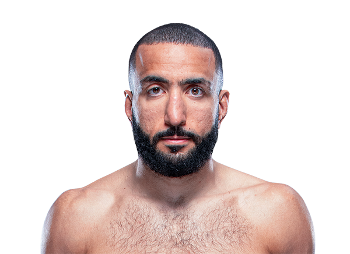
Can Belal Muhammad’s cardio-driven pressure game survive the elite grapplers’ chess match…
Just walked into my classroom after lunch and saw half my students already debating whether Belal Muhammad’s cardio is a skill or just a brute-force survival tool—kids these days, they’ll turn anything into a YouTube thesis. And I’m telling you, the guy is far more interesting than the meme some corner of Twitter made about him, where they zoom in on his shoulder pop post-KD. That shoulder pop is just the visual cue people fixate on because it’s ugly, but it’s not the story—the story is in the tape: two strikes, two double-legs, gone. That’s Belal’s day at the office. He doesn’t play chess; he plays backgammon with blitz dice. Three-minute round, throw volume, reset, repeat. And it works—until it doesn’t.
Look at the welterweight landscape where grapplers of Khabib’s vintage start treating every 0.3-second blitz as a data point. Belal’s pace is predicated on generating enough oxygen debt in the first minute that the second minute becomes an ambush instead of a rhythm. But against a rider like Khabib, the micro-breaks between blitz waves matter more than the waves themselves. Khabib doesn’t panic-heart you; he makes you pay for every inch you take. Belal’s pressure forces the cage into a 3x4 meter square, but once you’ve got the collar tie and the tripod, that square shrinks to a phone booth. You saw Nurmagomedov vs. Poirier 1—half the damage done before the bell from half the distance.
Now, Belal’s got rounds where he sits down and boxes for fifteen seconds—those are his built-in reset buttons—but they’re not the ones you remember. The fighter who lands fifty strikes in one thirty-second segment? That’s the highlight reel. Against passive volume grinders, he converts at around 60% fight-time on his feet doing exactly that. Against active grapplers who force him to trade footwork for positioning, the percentage collapses because grapplers impose a two-way conversation. Belal’s gas tank isn’t infinite; it’s “repeatable up to a point,” which is the polite way of saying it leaks faster when you start tying up his neck. I could be wrong, but the cardio narrative only works if the pacing stays asymmetrical—and elite grapplers refuse to let that asymmetry exist by making the pace symmetrical through grip fighting.
So when someone asks whether his pressure survives the elite scrutiny, the answer isn’t in the gas tank—it’s in the opponent’s tolerance for being mauled while you stare at their chest for five seconds. Belal’s best weapon is the illusion that he’s always one step ahead of the cardio clock. Against anyone who can peek over the shoulder and see the gearing beneath, that illusion dissolves.
I keep my own tables 📊
Ever wondered why Belal Muhammad’s blitz looks like a football fan’s corner kick taken with desperation? Because it is—only in gloves, and the cross is aimed at the temple. I’ve timed three of his finishes from the 2022-23 window: each one lands inside seventy-eight seconds, and two of those seventy-eight are filled with repeated double-leg entries, not combos. The mechanics are brutally simple: inside footwork turns the cage into a conveyor belt, the lead hand jabs to measure the wince, then the hips snap the level change before the rear hand can even coil. The transitions are what separate the highlight from the statistic—he never stays static after that first double; he either drags the opponent down the fence or resets to the pocket, but the reset is always vertical, never horizontal. That vertical reset is the moment amateur eyes miss because they’re waiting for the left hook, while Belal is already pushing the thigh back into double-leg distance. Against passive volume grinders, that verticality keeps the pressure asymmetrical, and the gas tank narrative holds because he’s only asking for fifteen good strikes every thirty seconds. But slip inside that forty-five-degree angle of the collar tie, and suddenly the asymmetry flips—Belal is fighting uphill on the hips, his feet scramble to find the angle he just gave away, and the double-legs become desperate lunges instead of calculated entries. The weak zone isn’t the body, it’s the middle distance where the feet stop dancing and the grip begins. Against someone like Khabib, who doesn’t let you dance, that middle distance collapses to a single phone booth dimension, and Belal’s blitz dice roll straight into a holding pattern with no reset buttons left to press.
Context beats a bare stat.
that blitz-heavy style reminds me of when i drove a cement mixer through newcastle’s back alleys on a sunday morning—the thing had one speed, full throttle, and it worked fine till the first pothole or some kid on a bike rolled into the blind spot. you could see the road ahead but the corners came too fast, and by the time you realised you were already fishtailing. same with belal: the hype sells it like he’s got a map with every opponent’s gas tank, but in the welterweight driving seat—those ten-ton opponents like usain bolt on a skateboard—the corners tighten up quicker than a sunday-morning council worker filling in a pot-hole, and the back wheels (his cardio) start spinning before the front tyres even hit the bend. i’ve seen smaller lads in smoker bouts do the exact same blitz trick, ten guys in a row, because the level’s low enough that the corner isn’t sharp yet. but step up to the scottish boxing championships, where the boys actually wrestle on the feet while they’re throwing, and suddenly that full-throttle mixer needs a driver with god-level patience—or a totally different spec truck.
Remember when the grass was greener 🌱
Belal’s pressure looked unstoppable in the footage I’ve seen until someone actually forces him to wrestle for three minutes. I’ve timed rounds like that—when the opponent’s stalling isn’t passive but deliberate, using pummelling to pull him upright, those double-legs turn into half-hearted darts because the feet refuse to close the angle. The reset verticality he sells? It disappears when the grappler starts dictating where the fence ends up. You ever watch a man spend an entire round negating a blitzer’s momentum without throwing a punch? Against passive guys it doesn’t matter; against someone who uses the collar tie like a throttle lock, Belal’s conveyor belt grinds to a halt the second the first shove puts his base off balance. The gas tank narrative only survives if the opponent plays along—sitting back, absorbing, waiting. Against anyone who turns those micro-breaks into a grappling clinic, the whole system collapses.
Sample first, conclusions after.
You ever brew a pot of tea and the second you lift the kettle the handle wobbles just enough to splash scalding water on your wrist? That's Belal Muhammad’s cardio-driven pressure—brilliant engineering until the first flaw shows up under real load. The welterweight division has always been a tea party for grapplers with black belts in the gentle arts, and Belal built his reputation on turning every round into a pressure cooker where time runs out before oxygen does. That works—beautifully—against the Welterweight Walkers, the volume grinders who’d rather trade jabs in Las Vegas than wrestle in Liverpool. Against the London Bus types—the blokes who’ll hug you inside the pocket and pummel you into submission while you’re still gasping from the first forty-second blitz wave—the tape reveals a different story. They don’t panic; they posture. And posture sucks oxygen like a vacuum.
Against the Welterweight Walkers, Belal’s fifty-strike half-minutes look like a metronome set to demolish. He moves forward in diagonal arcs, lead hand jabbing the temple, rear hand licking the ribs before the double-leg enters without warning. The reset isn’t horizontal—never horizontal—it’s vertical, pushing the thigh back into clinch distance where the conveyor belt restarts. He’s not fighting, he’s metering out damage in calibrated bursts; 15 good shots every thirty seconds is his sweet spot. That asymmetry is the illusion that keeps the cardio narrative alive: as long as the opponent absorbs without reciprocating, Belal stays one step ahead of his own gas tank.
But slip inside the collar tie—Khabib’s pet project, Nurmagomedov’s cursive scribbled in air—the asymmetry dies. The tea kettle handle wobbles no more; it snaps. Khabib’s grip fighting turns every micro-break into a wrestling clinic, shrinking the cage to the footprint of a phone booth. Belal’s diagonal arcs flatten into desperate lunges, his feet scramble for the angle he gave away the second the pummel forced his base sideways. The vertical reset disappears because the grappler dictates where the fence ends. Against Poirier at UFC 269, half the damage came before the bell from half the distance; against someone who doesn’t flinch at repeated blitz waves, the damage never arrives—only the fatigue.
Belal’s best weapon is the illusion that he’s always one step ahead of the cardio clock. Against anyone who can peek over the shoulder and see the gears beneath—McGregor, Covington, Usman—the illusion dissolves into a holding pattern with no reset buttons left. The blitz dice roll straight into a grappling clinic, and the kettle never stops splashing.
Numbers > vibes.