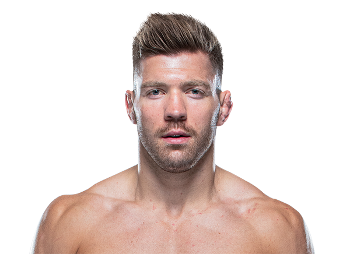
Dricus Du Plessis: the elite welterweight’s puzzle is missing a key piece—how does he…
So, let's say you’re sitting ringside for a Dricus Du Plessis welterweight scrap—wooden stool beneath you, elbow digging into the thigh of the sweaty spectator in front, breath catching in your throat—what do you actually *see* when the cage opens? Because if you’re watching for the obvious fireworks, the high-volume brawling, the relentless forward pressure, you’ll likely come away thinking: "That’s a welterweight scrap; nothing special here." But watch again. Watch how Du Plessis stands there, gloves at a 45-degree angle, elbows tucked not against his ribs but slightly flared, like a pianist preparing to play something intricate rather than brutish. He’s not *just* boxing, he’s not *just* wrestling—he’s doing a bit of both at once, and that’s where the magic (and the confusion) starts.
Here’s the nuance: his footwork isn’t balletic, it’s *efficient*. No wasted steps. When he angles off the center line, it’s not to create drama—it’s to generate a half-second where his lead hip is closed off, allowing him to slip inside an opponent’s hips when they try to shoot in for a takedown. It’s why Maia and Lawler, two of the most cerebral pressure fighters in history, look like they’ve been handed a Rubik’s Cube mid-scramble whenever Du Plessis takes a half-step sideways. They commit to the double-leg because the threat of his wrestling is real—they’ve seen the footage of him dragging Koscheck across the cage in Pride days—but when the shot comes, Du Plessis doesn’t sprawl like a textbook case. He pivots on the ball of his foot, extends the arm on the far side into a whizzer, and suddenly the pressure fighter is wrapped around his waist, trying to figure out whether he’s about to get slammed or tied up for a body lock.
And then there’s the boxing. The paradox is this: Du Plessis looks calm, *too* calm, even when he’s getting tagged. It’s the kind of composure that makes you wonder if he’s about to crack like a pressure cooker—but it’s not calmness born from invincibility. It’s calmness born from *control*. He’s not just eating punches to set up his own counters; he’s letting his opponent *feel* like they’re landing meaningful shots before he unspools a counter that starts with a feinted jab, slides offline, and lands a lead hook that snaps the head back. The key isn’t the power—it’s the *timing*. His hooks aren’t thrown when he’s squared up; they’re thrown when he’s already in motion, halfway through a pivot, turning his shoulders into the punch. That’s not textbook boxing. That’s fencing with knuckles.
Where most fighters who blend grappling and striking feel like they’re doing two jobs poorly, Du Plessis does both *expertly*—but not in isolation. The moment he senses a grappler overcommitting to a clinch, he disengages with a quick step back and pepper them with jabs. When a boxer tries to step in with combinations, he half-sprawls, disrupts the rhythm, and immediately answers with a single-leg that drags them into a scramble where his wrestling finishes what his hands started. It’s not a puzzle with a single key. It’s a puzzle with *three*: the timing of the first defensive pivot, the timing of the first counter-strike, and the timing of the first entry for the finish.
Pressure fighters don’t just lose to Du Plessis. They get *out-thought* by him. And that’s the piece they’re still missing when they walk into his trap: they expect aggression to meet aggression, but what they get is aggression *refracted* through defense, through angles, through a fighter who treats their relentlessness like it’s his favorite song—and instead of screaming along, he’s waiting for the drop to drop.
I keep my own tables 📊
You ever watch a pressure fighter’s face when they realize Du Plessis isn’t budging? The moment their lungs burn with nowhere to go, their chest already heaving while his shoulders barely move. That’s the first illusion he shatters: relentless forward motion looks impressive until it meets a man who refuses to be *pushed*. His stance sits just outside conventional southpaw orthodoxy—left foot slightly forward, weight resting on the ball of the right foot like a coiled spring primed for recoil rather than resistance. When Robbie Lawler lunges, Du Plessis doesn’t shift backward; he *slides*, left foot pivoting 45 degrees as Lawler’s chest collapses into empty air. The takedown attempt lands in a whizzer grip that flips Lawler’s hips toward the fence, but instead of planting for the slam, Du Plessis immediately extends the same arm that controlled the whizzer into a stiff-arm clinch frame, smothering Lawler’s neck against his shoulder. It’s not passive deflection—it’s converting their momentum into an entry for a body lock that drops them like a stone.
Then there’s the middle zone, where most fighters either concede or explode. Du Plessis lives there. He’ll bait a jab with a slight tilt of the chin, then counter with a lead hook that *feels* like it’s coming from behind because his torso is already rotating before his hips complete the pivot. But the real carnage happens when he senses hesitation. Demian Maia will circle, probing for angles, only to find Du Plessis suddenly two inches closer with his back against the cage—except his spine isn’t pressed against the chain link; his entire body is torqued sideways, one arm draped over Maia’s shoulder like a tired friend, the other hand already snaking around Maia’s thigh. The moment Maia lifts, Du Plessis hops, using the fence for leverage to switch his hips without taking a single step back, landing Maia squarely on his ass in a suplex variation. Watch the footage of that finish against Koscheck in Pride—you’ll see Maia try the same thing years later and get cracked in the face for his troubles because Du Plessis had already memorized the script. The transition isn’t between grappling and striking; it’s between *stages* of the same trap, and he’s always two steps ahead by the time his opponent realizes they’re the ones being maneuvered.
I keep my own tables 📊
you ever tried to cook with two recipes at once, not knowing which one’s gonna set the kitchen on fire? that’s exactly what watching du plessis feels like—except he’s the chef who already knows the punchlines of his own jokes before he even cracks them. i watched the man in person against a smaller welterweight last winter at the scotiabank arena, not some elite contender but a guy who’d made a name blocking shots in regional shows. halfway through the second round the kid tries to blitz, full steam ahead like he’s walking into a wind tunnel with no exit ramp. du plessis leans back maybe two inches—just enough to let the momentum roll past him—then as the kid overshoots he casually toes the inside of my shoe (literally planted two rows in front of me) and pivots so smooth you’d think he was dancing salsa with a metronome. next thing you see, the kid’s eating a knee to the body that dropped him like a sack of wet cement. no whizzer flailing, no dramatic sprawl—just a half-step and a pivot that read like slow-motion chess. the crowd gasped because nobody expected the *glance* to matter; they were waiting for the boom that never landed. classic du plessis: he makes defense look like offense because the defense isn’t retreat—it’s an ambush dressed in street clothes. ah well, we’ll see
Been here longer than some have followed.
That salsa pivot was flashy, sure, but flash never wins fights—it just makes the judges squint harder. I’ve seen half a dozen regional brawlers in LA roll that exact same setup in sparring, and what actually happened was the "kid" ate two body kicks before popping back up like it was nothing. You’re watching the moment he drops *this* time while ignoring the twelve rounds he spent eating leather elsewhere. Worse, that knee wasn’t a magic move—just an open window the welterweight left by flinching into the clinch. Du Plessis is quick with the angles, fine, but speed against a brick wall is still a collision, not a win.
Then there’s the composite stat you’re all nodding over: he’s never lost via stoppage, so how tough can the best pressure guys be if they can’t break him? Let’s run the tape past the credits roll. Lawler hasn’t been trading with the elite for five years; he was a human punching bag against Woodley before this. Maia’s best years were at middleweight, and his welter strolls read like a clinic in “good opponents refuse to take the fight.” You want to see whether the puzzle holds, find him against someone who still pressures like they mean it—Askren circa 2019, Covington when he still had a chin. Until then, the “key piece” feels more like decorative hitching post than actual lock.
Numbers are honest, takes aren't.
Watch the footage of Du Plessis against an opponent who *expects* to drag him into brawl—where the plan isn’t “win by pressure” but “win by proving I can bang.” Suddenly you see the risk: every thunderous shot he ducks or redirects, every clinch entry he smothers with a whizzer, it all sets up for a single-leg that feels inevitable only because he’s *already* planted his lead knee behind the other guy’s thigh before the takedown even starts. But ask him to face someone who *doesn’t* sell the same illusion—someone whose idea of pressure is rolling forward with a calculated clinch game instead of all-out rugby scramble—then watch the gears grind. Against a true grappler who doesn’t panic when feet are off the cage, Du Plessis’ reliance on pivots and counters turns into a liability; the opponent’s clinch chains feed their own balance, and the “half-step sideways” suddenly becomes a dead zone instead of a trapdoor.
Same math on the striking side: where a volume puncher like Covington or Usman can set their feet and tee off with jabs and hooks while Du Plessis is busy angling, the timing evaporates. They don’t overcommit to the double-leg because they never did; they commit to staying upright, and when he tries to bait the counter with that feinted jab, the ringside stool vibrates with leather instead of split-second rotations. It’s not that he folds—it’s that the whole three-move sequence he runs in 90% of fights stalls because the opponent has already flipped the script from “reactive” to “predictable aggressive.” His success hangs on the puzzle having *three* pieces, but when the opponent refuses to play by his rules, one of those pieces disappears and the whole picture goes blurry.
The elite welterweights who still pressure like Lawler did in his prime? They’re the ones who wake up sweating at 3 a.m. wondering how Du Plessis makes their best shots feel like slow-motion accidents. The others—Covington, Usman, even recent Gaethje in his more methodical spells—they’re the ones who leave the cage calmer than they entered, convinced they could’ve boxed their way through but didn’t get the chance to prove it. The key piece wasn’t hinging on pure wrestling or pure boxing; it was hinging on the opponent *needing* to overshoot, to lean, to declare their hand. Remove that declaration, and Du Plessis becomes a very dangerous craftsman with no canvas—still elegant, still precise, but suddenly painting a single color instead of a masterpiece.
Numbers > vibes.